How to Choose an Asphalt Mixing Plant? A GLB Series Breakdown
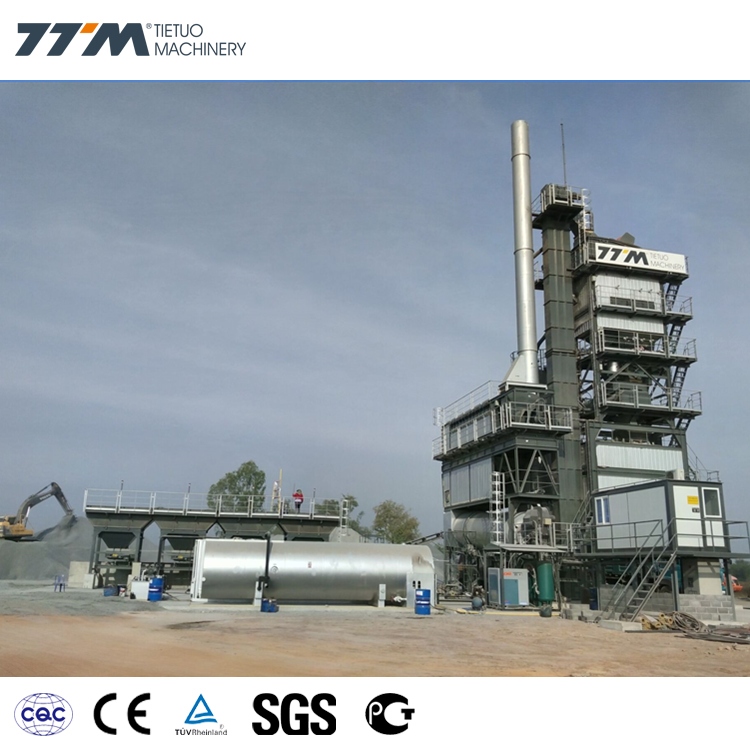
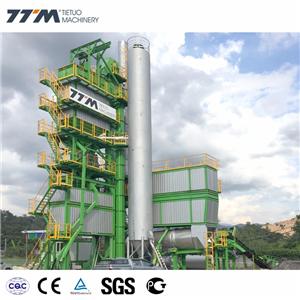
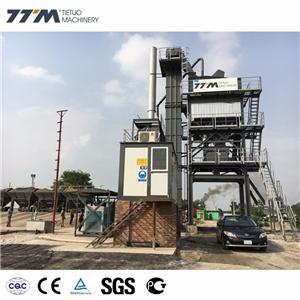
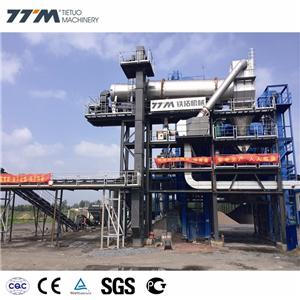
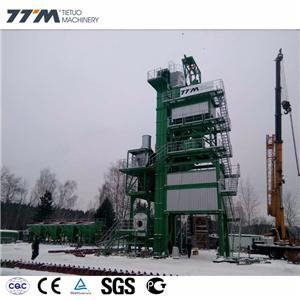
After a decade-plus exporting construction machinery, the question buyers ask most: "Which model do I actually need?" Pick wrong — undersized delays schedules, oversized burns fuel, failed emissions parks the plant. TTM GLB series makes a good example. Three product pages — Asphalt Paving Equipment, High Quality Asphalt Mixing Plants, Road Construction Equipment — map to one line: nine models, GLB-600 to GLB-4000, 48 to 320 t/h, delivery 30–35 days from Quanzhou. Match specs to your project.
1. Match Output to Daily Tonnage
Calculate daily demand first. A Southeast Asian municipal project plans 8 km/day, roughly 900 tons per layer. At 10 hours, that needs 90 t/h. GLB-1000 falls short; GLB-1200 has zero margin. I'd push to GLB-1500 (120 t/h) — the 20% buffer absorbs moisture swings and stoppages. Highway projects placing 2,000–3,000 tons daily need GLB-3000 (240 t/h) or GLB-4000 (320 t/h), whose 400-ton silo enables continuous operation. For scattered maintenance, GLB-600 (48 t/h) suffices: small footprint, easy relocation. Oversized just wastes depreciation and fuel.
2. Site Constraints Shape Layout
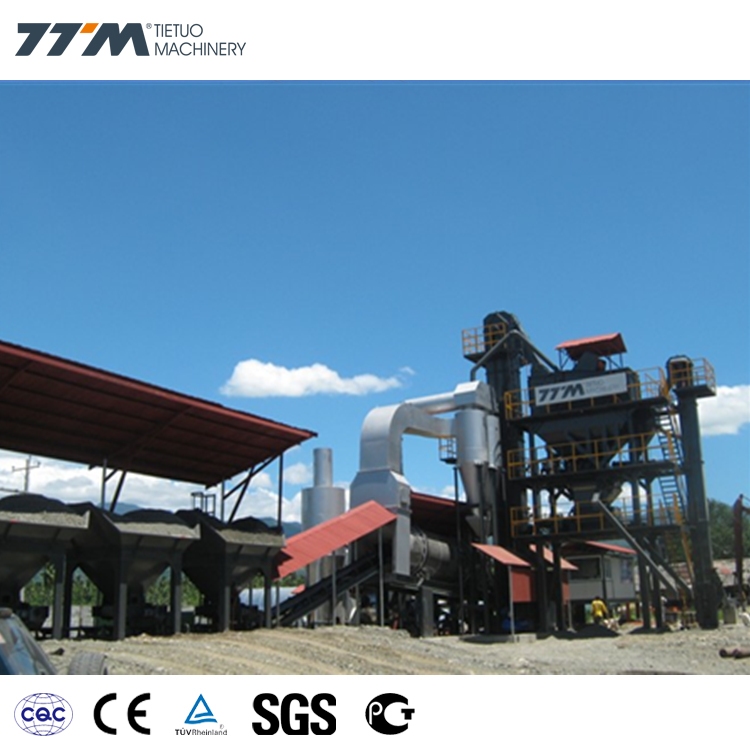
The GLB series uses a bottom-mounted silo — hot bin beneath the tower, height well below side-mounted setups. A Philippine client fit one into a triangular lot under 800 m². Trade-off: silo capacity hits the structural limit — GLB-800 holds 30 tons, GLB-4000 reaches 400. Need more? Move up a model or add an external silo. Measure dimensions first.
3. Fuel and Emissions Compliance
The burner runs diesel, heavy oil, or natural gas via digital air-oil ratio control. Middle East and Africa favor heavy oil; Europe leans toward gas. Two-stage dust collection meets European standards, but limits vary by country. Verify local thresholds first.
4. Components, Controls, and After-Sales
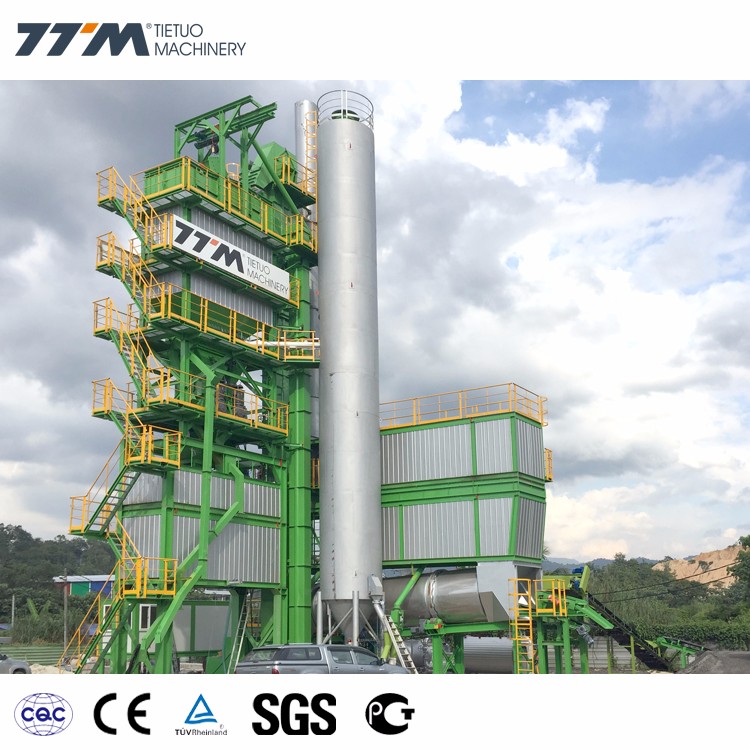
Key parts: Italian-brand dual-motor vibration screen (maintenance-free, pull-insert mesh), integrated burner-drum-bag house, double roller chain elevator. Weighing accuracy: aggregate ±0.5%, filler and bitumen ±0.25%. Computerized auto/manual system with self-diagnostics; operators train in days. TieTuo includes free installation, training, and spare parts — 7 to 10 days on-site. Logistics: 30–35 days, 20 sets monthly; order two months ahead for tight deadlines.
5. RAP Interface and Final Advice
Every GLB model ships with a pre-installed hot RAP interface. More countries mandate recycled asphalt — optional today, required soon. When talking to suppliers, share project data and request references from similar projects. Leave capacity headroom, measure your site, check fuel rules, scrutinize components, calculate the after-sales timeline. Get those five right and you won't go wrong.